Escalating Femicide Crisis Grips Gauteng as Nine Bodies Discovered in Ekurhuleni
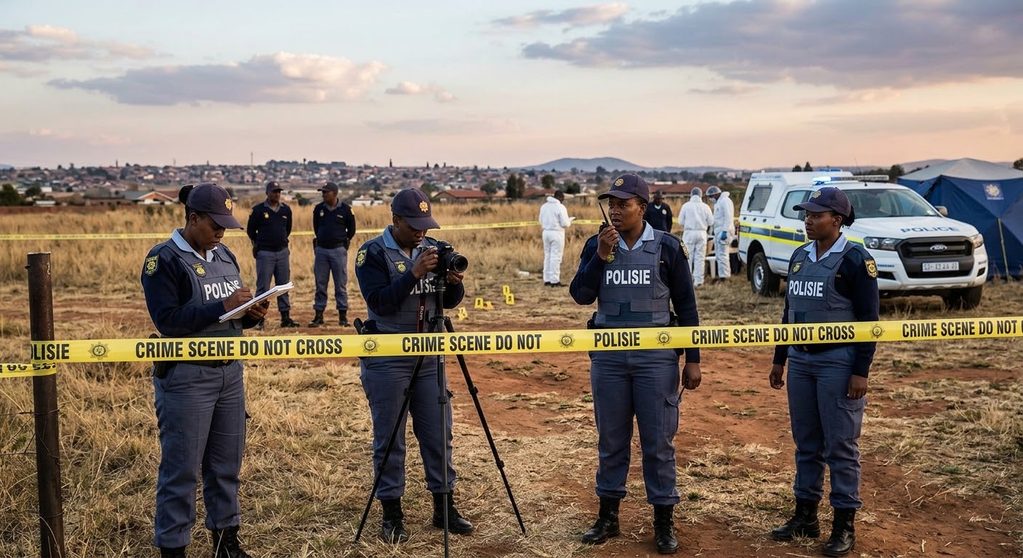
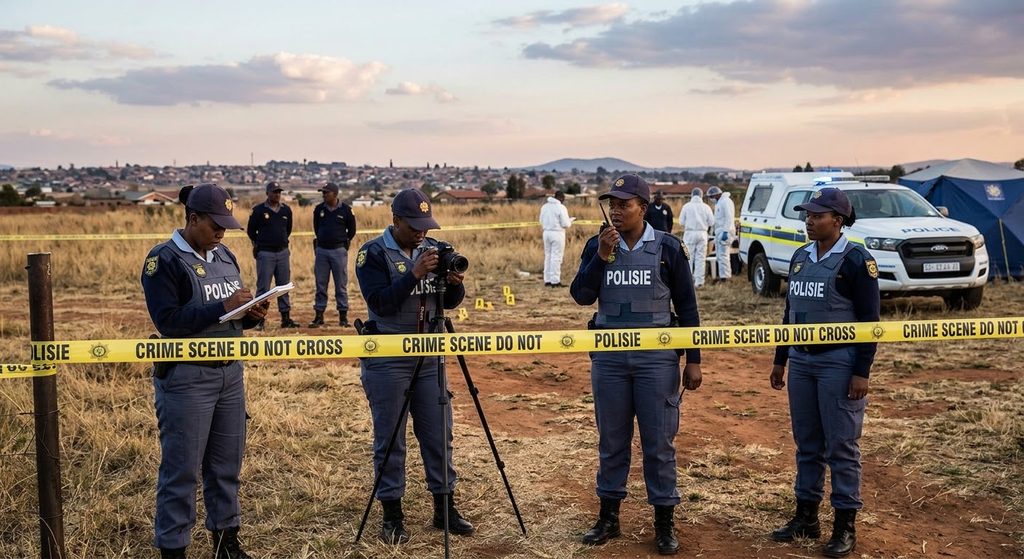
EKURHULENI, GAUTENG — Fear, outrage, and deep-seated grief have gripped communities across Gauteng following a string of violent murders targeting women. Over the past two months, South African Police Service (SAPS) detectives have recovered the bodies of nine women across the Ekurhuleni region, sparking widespread fears of a active serial offender and triggering national demands for institutional accountability and urban safety reform.
A Timeline of Grim Discoveries
The horrifying sequence of events came to light mid-July when police discovered a 37-year-old woman bound with cable ties and killed near the R21 arterial corridor in Kempton Park. A suspect in that initial case—believed to be her partner—was subsequently taken into custody. However, what initially appeared to be an isolated incident of intimate partner violence quickly unfolded into a far broader and more terrifying pattern.
On August 24, a second victim, later identified as 32-year-old Itumeleng Kekana, was discovered partially clothed with visible signs of blunt-force trauma near the same R21 highway stretch. As August turned to September, the body count escalated at an alarming pace. On September 7, community members spotted the body of a woman in her late 20s floating in a river in Clayville, adjacent to Tembisa Mall.
Just days later, on September 12, local authorities recovered the remains of 38-year-old Elizabeth “Tsontso” Moselakgomo in Rhodesfield, hidden behind a local hotel. Moselakgomo, an avid runner and active community member, had vanished two days earlier after embarking on a routine afternoon jog from her Kempton Park home. Her sudden disappearance and violent death sent shockwaves through local athletic clubs and residential neighborhoods.
By mid-September, further bodies were discovered in rapid succession along the R21 near Olifantsfontein, as well as in KwaThema and Dawn Park. On September 10, 28-year-old Gracious Nkomo was found dead along the R21 in Kempton Park; her family positively identified her remains at the Germiston Mortuary a week later. With nine bodies now linked geographically across Ekurhuleni, provincial authorities confirmed that specialized multi-disciplinary crime scene and forensic units had taken over the primary docket.
Broken Cities and Vulnerable Passages
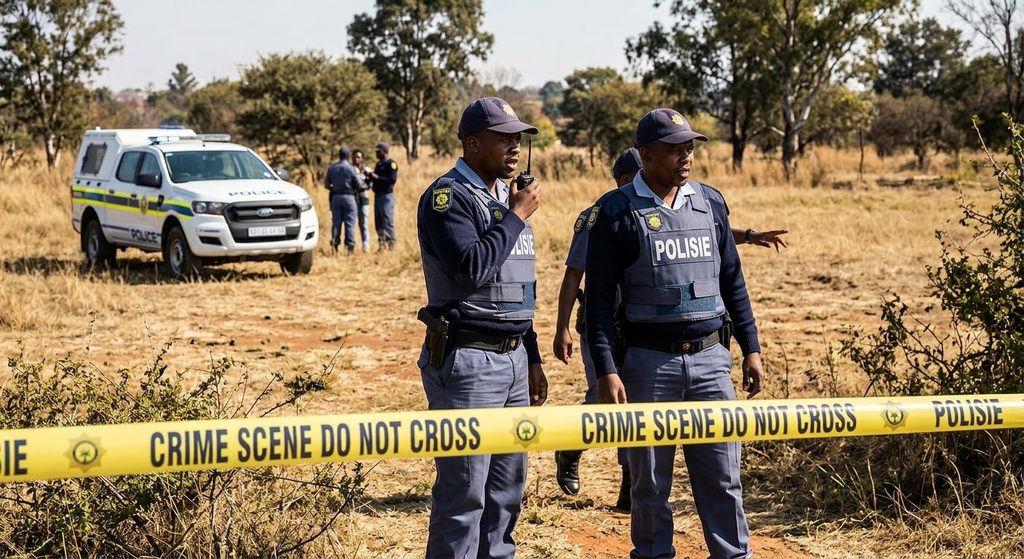
Beyond the immediate criminal investigation, urban safety experts and civil society organizations have pointed to systemic infrastructure failures as a major contributing factor to the vulnerability of women in Gauteng’s urban centers.
Feminist urban planning practitioners have highlighted how dark, neglected transit routes create ideal conditions for violent predators. Key stretches of the R21 highway and surrounding suburban corridors in Rhodesfield and Kempton Park suffer from broken or missing streetlights, unmaintained sidewalks, and overgrown roadside vegetation. For women walking to public transport, returning from late shifts, or exercising, these dark patches have turned everyday routines into life-threatening hazards.
Urban safety consultants emphasize that while law enforcement agencies are tasked with capturing perpetrators, local municipalities must accept responsibility for urban maintenance. Functional lighting, clearing tall grass along footpaths, and installing visible security infrastructure represent basic municipal duties that directly impact women’s safety. The concentration of dumped bodies in specific unlit areas suggests that perpetrators actively exploit municipal neglect to conceal their actions.
Institutional Response and Public Outrage
The spate of killings has drawn sharp criticism from human rights groups, opposition parties, and community leaders who argue that government responses to Gender-Based Violence and Femicide (GBVF) remain reactively administrative rather than preventative.
While South Africa declared GBVF a national disaster and established the National Council on Gender-Based Violence and Femicide (NCGBVF), civil society advocates maintain that rollout at the local policing level remains sluggish. Acting Provincial Police Commissioner officials have assured the public that a dedicated task team comprising crime intelligence, forensic pathology, and homicide detectives is operating around the clock. High-density police visibility operations have been deployed across Kempton Park, Clayville, and surrounding industrial hubs.Simultaneously, the Gauteng Department of Health and the Department of Home Affairs have launched an urgent identification drive using DNA matching and biometric databases, as several victims remain unconfirmed by family members. Community organizations have organized candlelight vigils and street protests outside police stations and municipal offices, demanding faster forensic processing, regular public briefings, and immediate infrastructure repairs along dangerous transit corridors.
As investigations continue, the women of Gauteng remain in a state of high alert, navigating a landscape where structural neglect and lethal violence intersect.
About The Author

Discover more from MZANZI NEWS
Subscribe to get the latest posts sent to your email.